

Exhibition
2026 Curatorial Internship Exhibitions
2026 Curatorial Internship Exhibitions
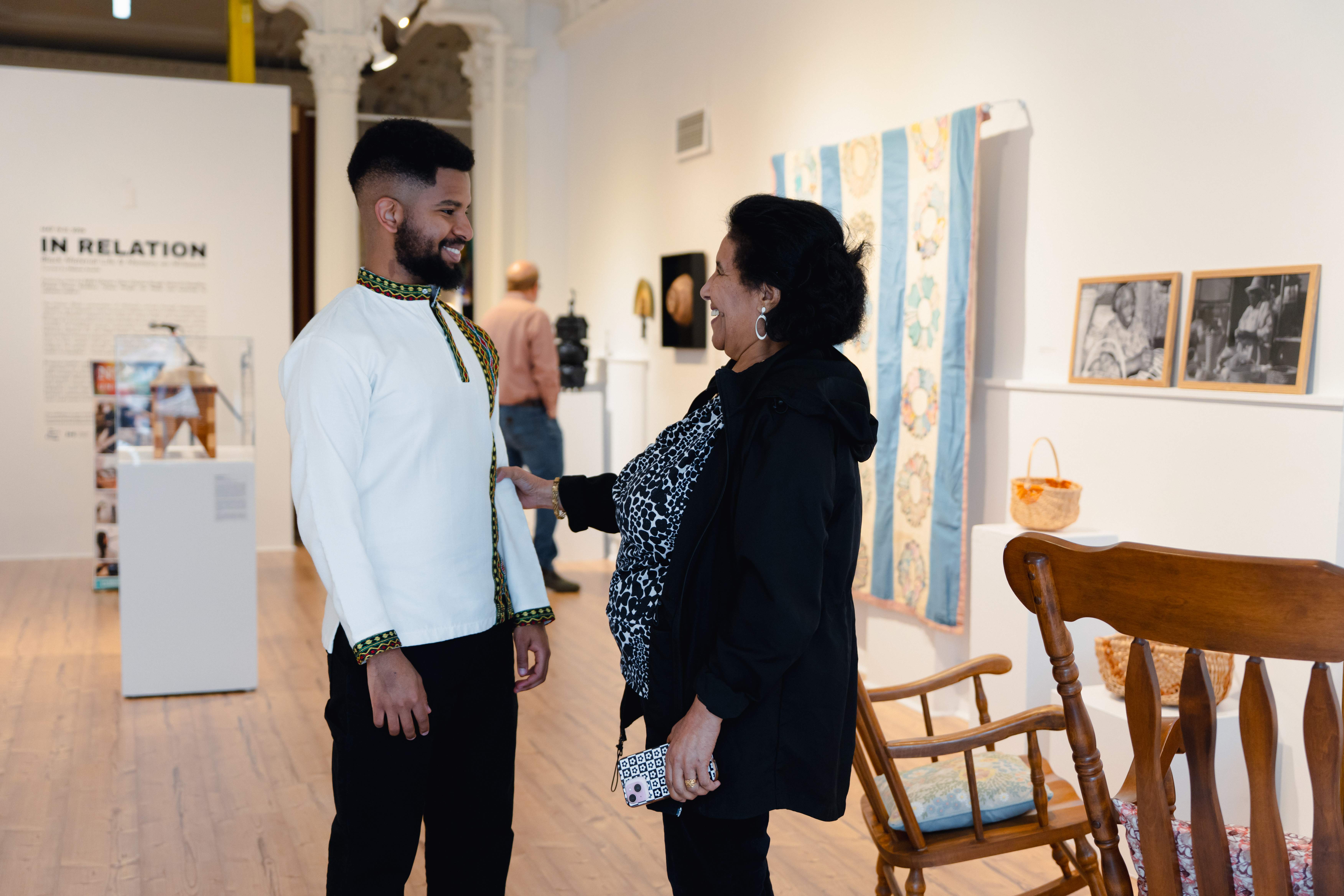
Opening reception of In Relation: Black Material Life and Memory on Mi’kma’ki.
Photo: Hayat Photography.
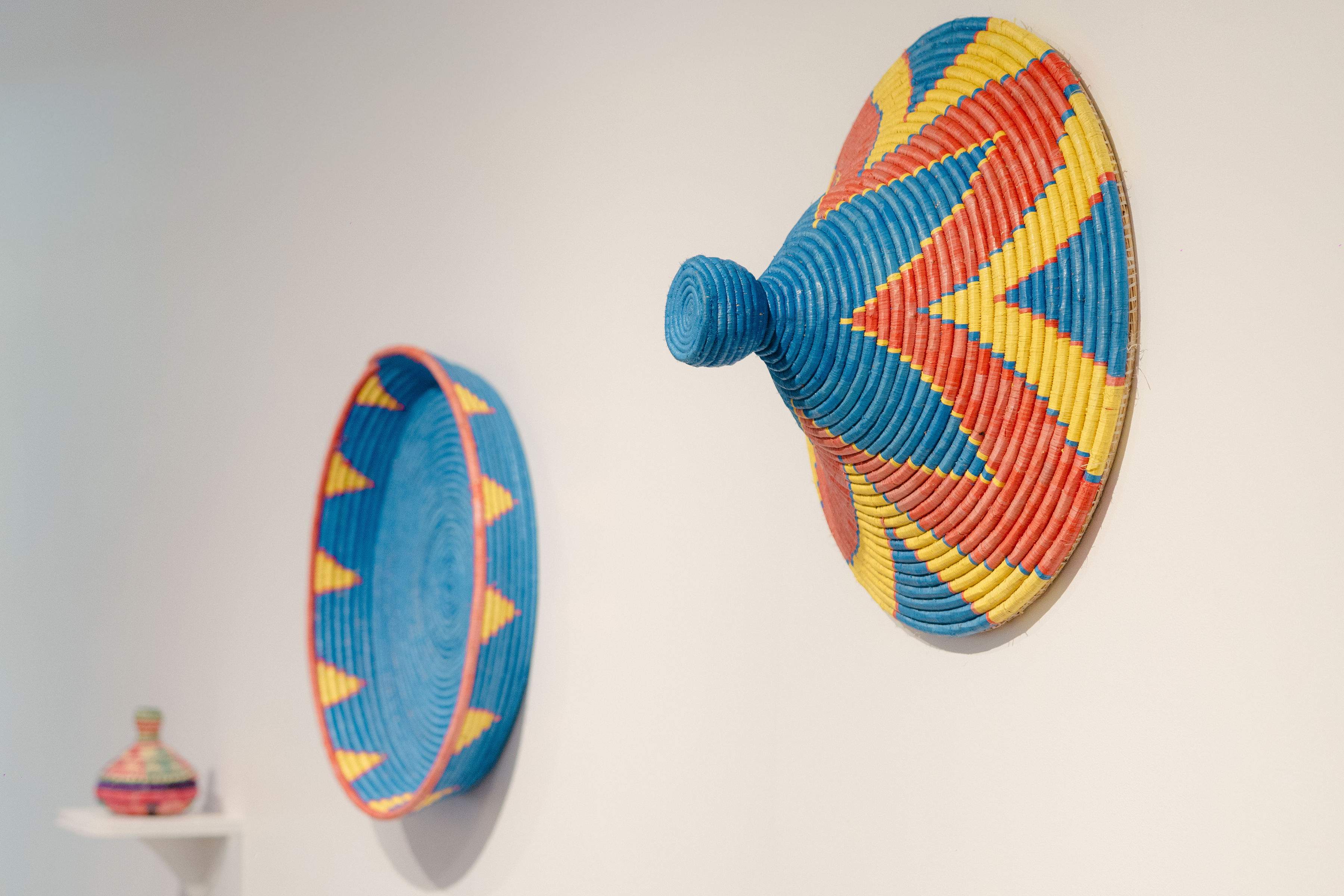
Unknown maker. Ethiopian Mesob Baskets, not dated. Handwoven grass with natural and dyed fibers. Courtesy of Aster Cafe.
Photo: Hayat Photography
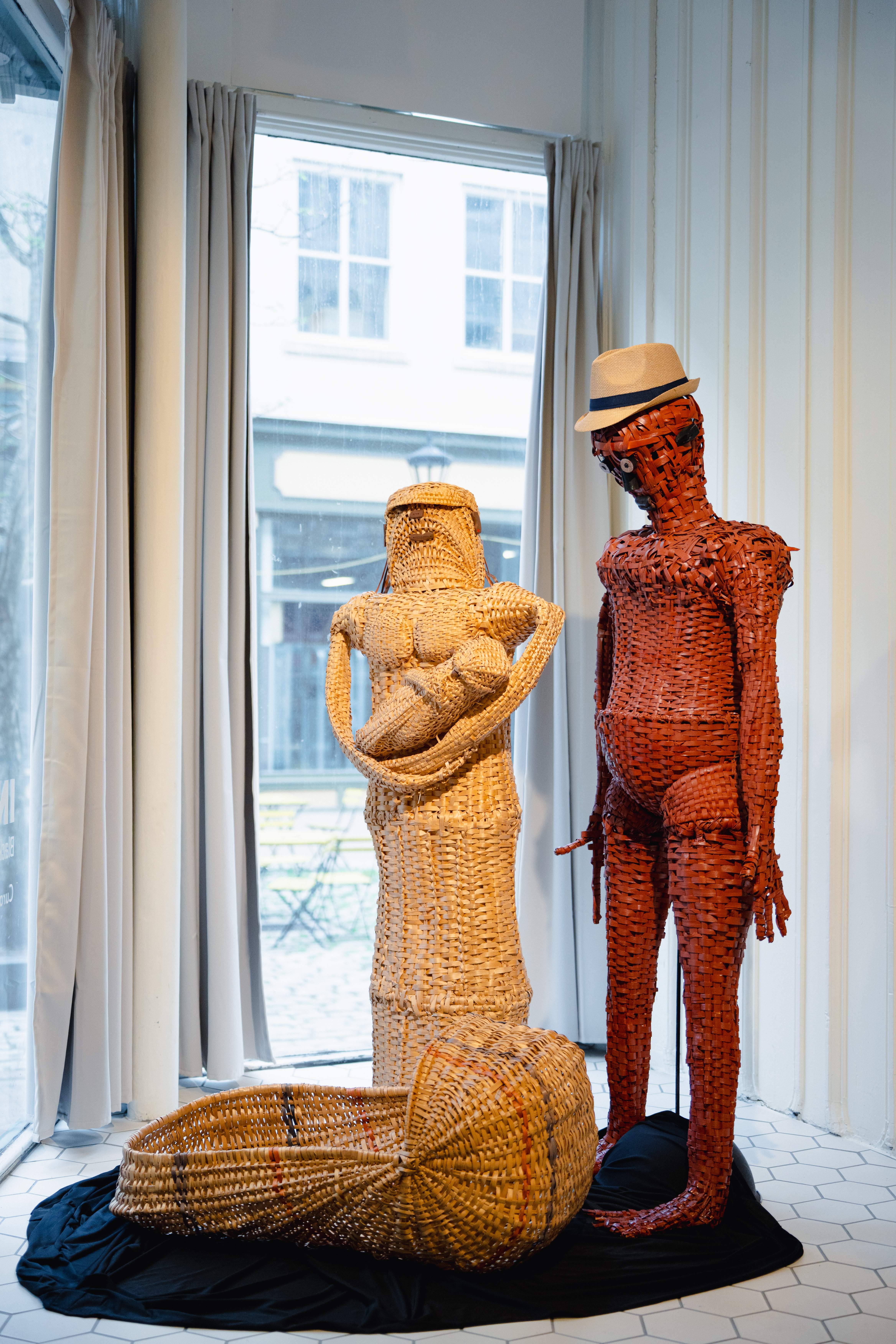
Clara Clayton Gough. Basketwoman; 2011, Basketman; 1998, Baby Cradle; 1995. Physical artifact/ Woven Basket and Interwoven red maple. Courtesy of the artist
Photo: Hayat Photography
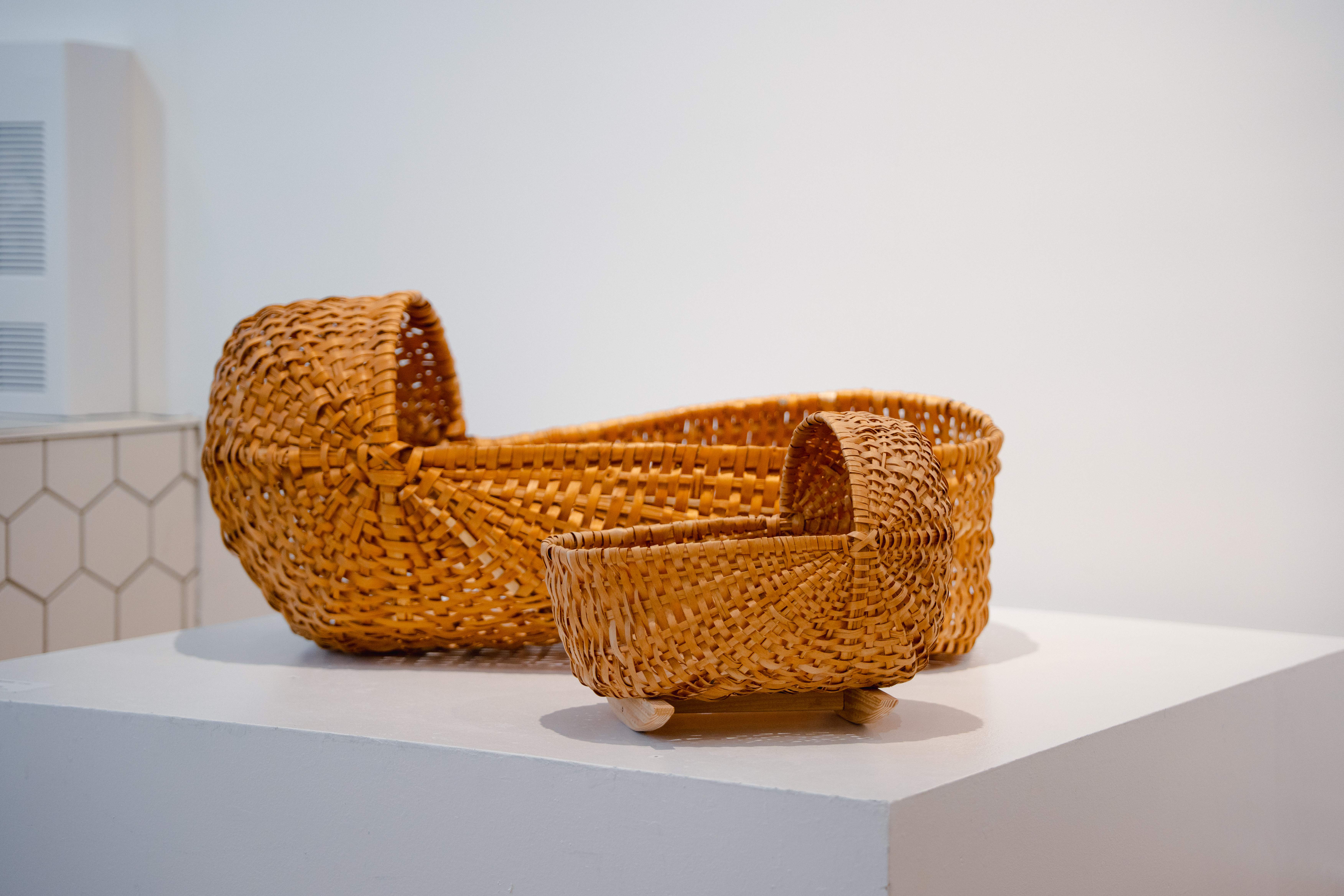
Edith Clayton. Large Woven Bassinet, not dated. Collection of Black Cultural Centre for Nova Scotia
Photo: Hayat Photography
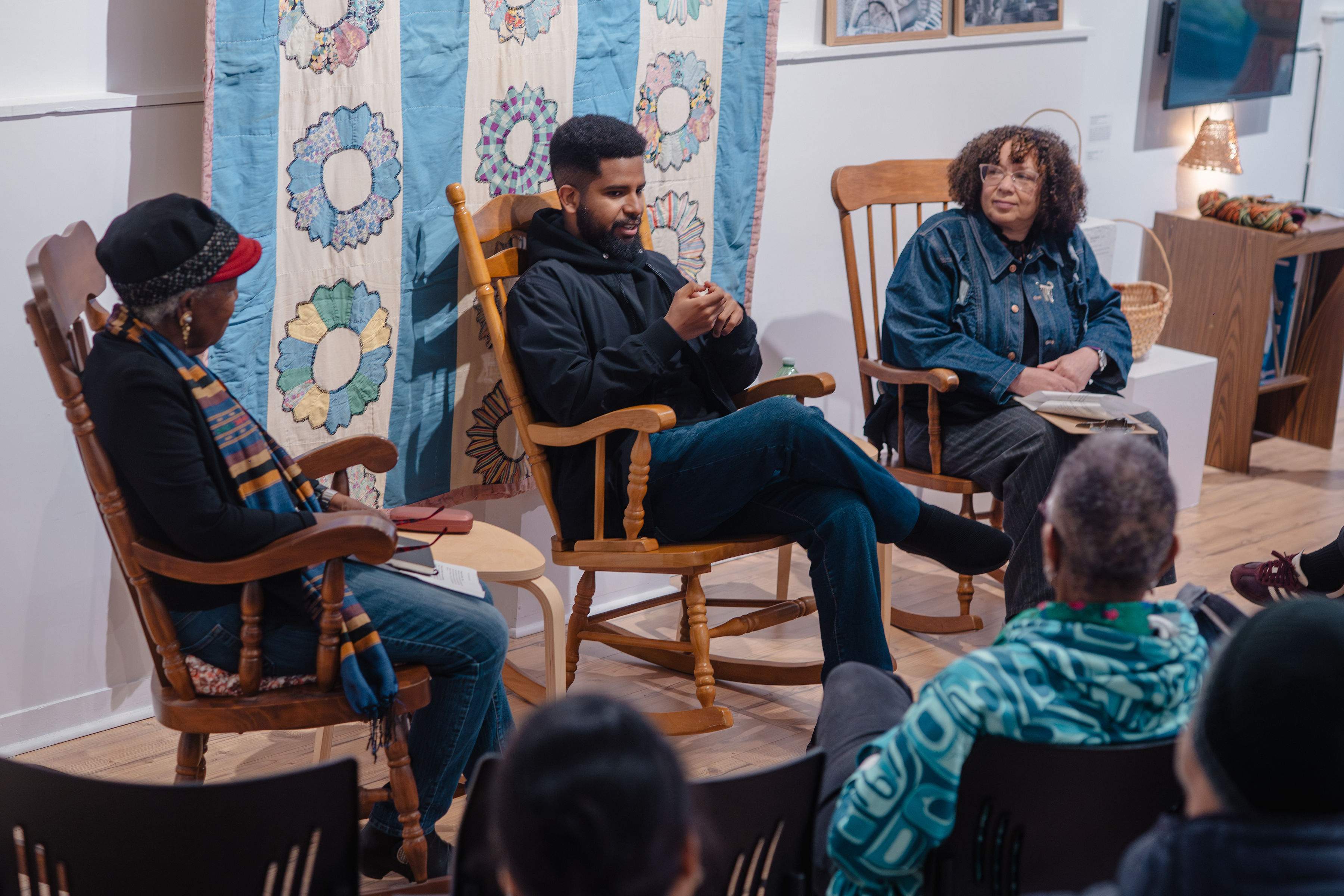
Panel Discussion of In Relation: Black Material Life and Memory on Mi’kma’ki.
Photo: Hayat Photography
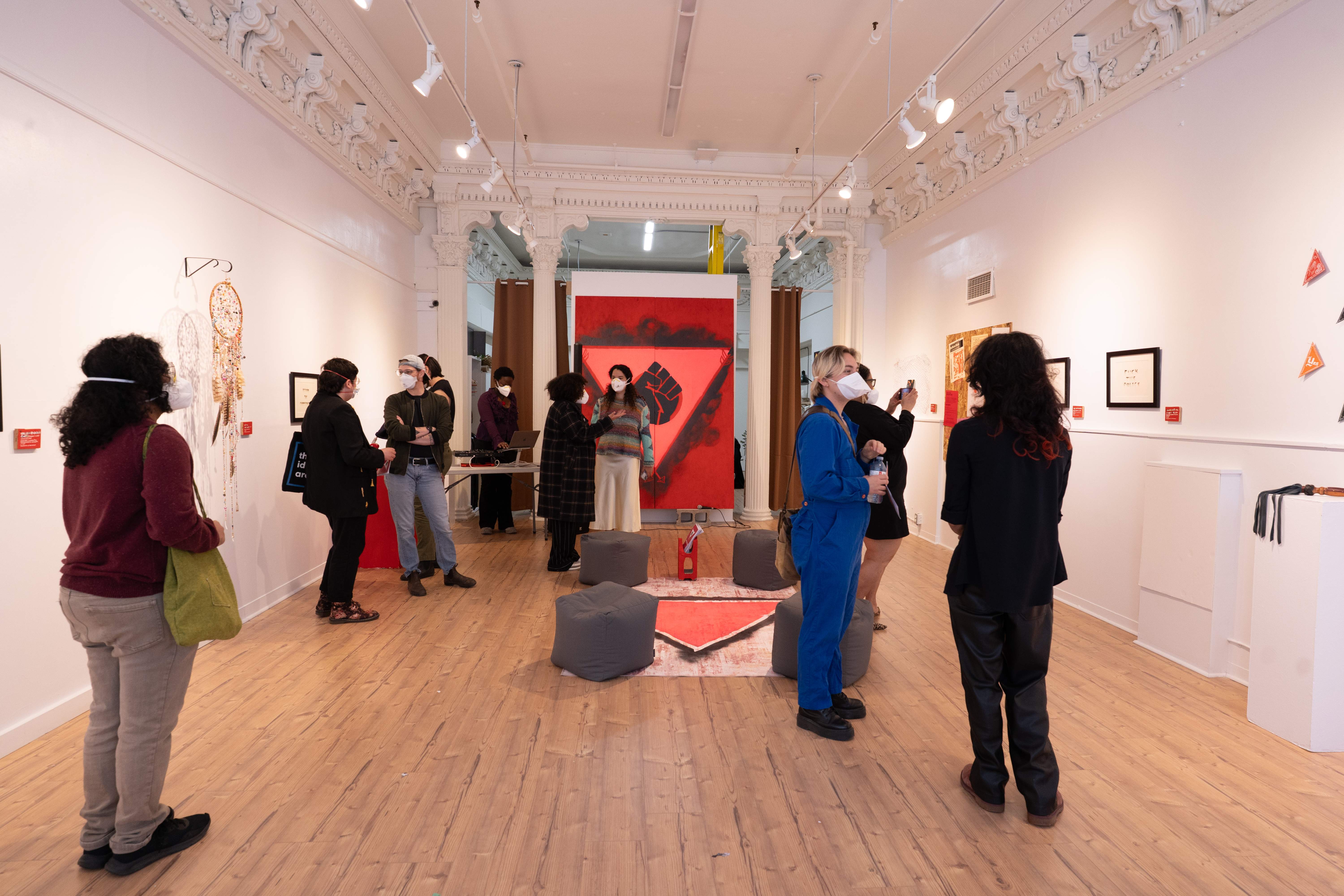
Opening reception of BLACK / RED / PINK: Black, Red, and Queer Power in the Punk Movement.
Photo: clem oliver
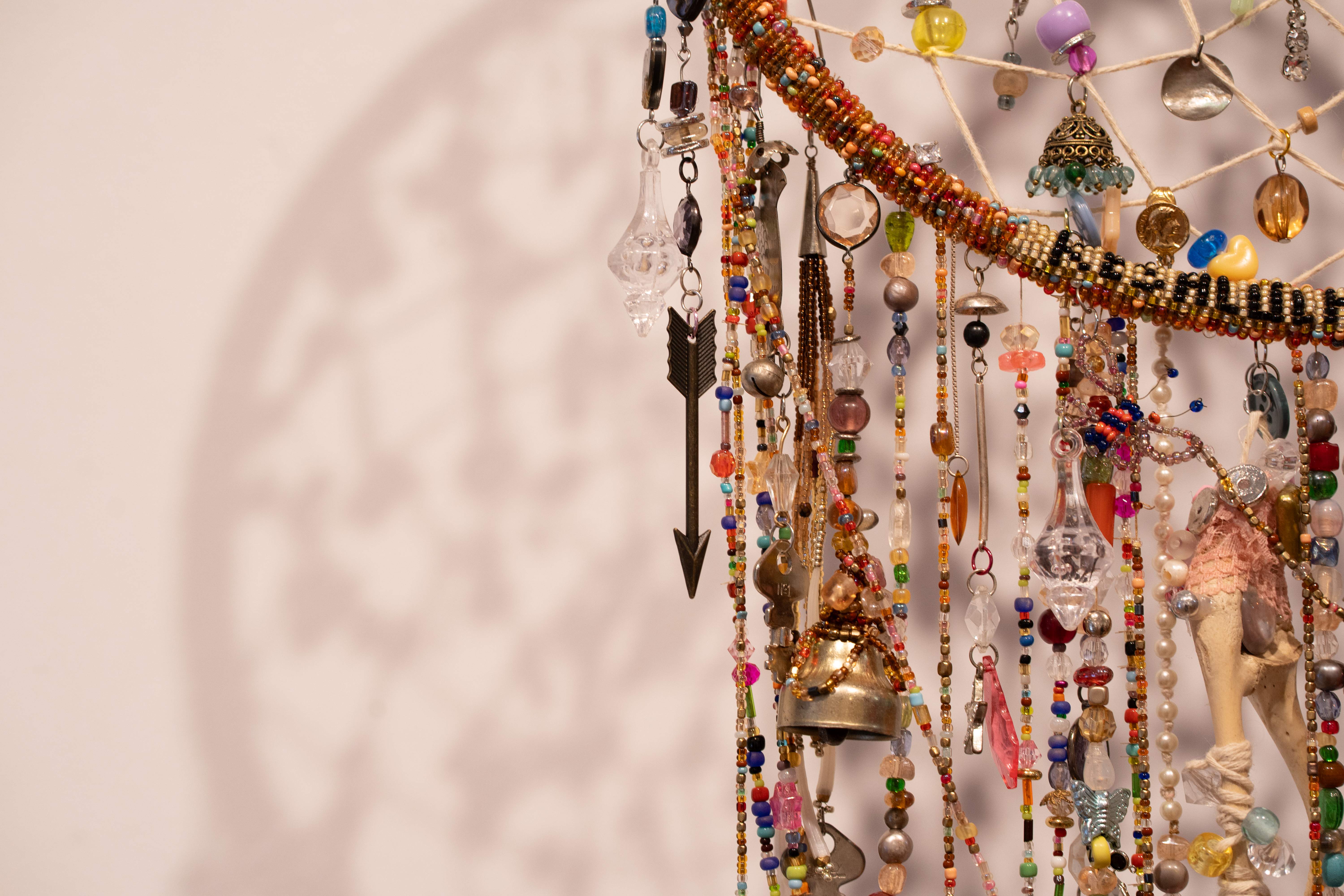
Zeta Paul Kesalul kisu'lkw 2025, Mixed media sculpture. Collection of the artist.
Photo: clem oliver
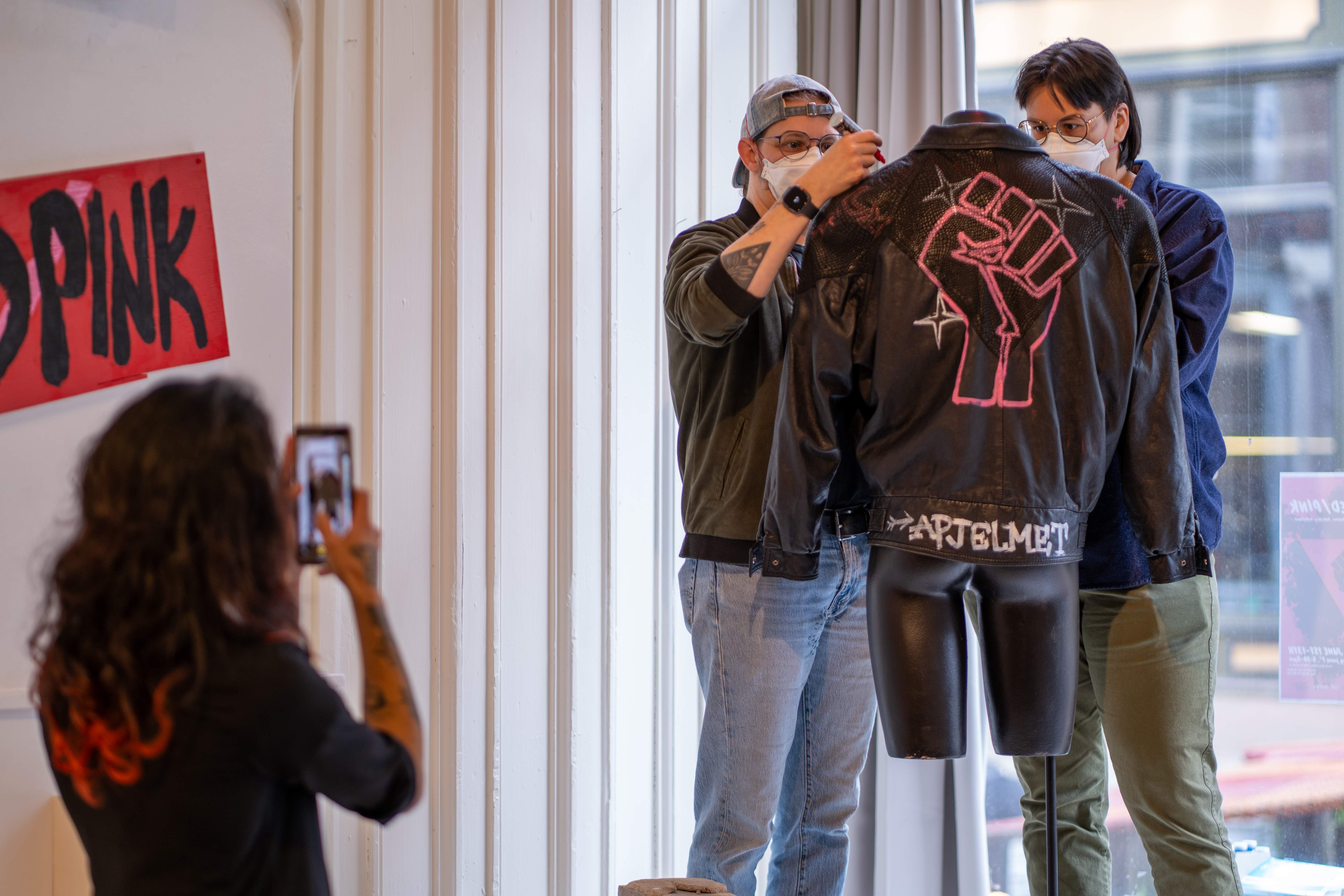
Community collaboration on leather.
Photo: clem oliver
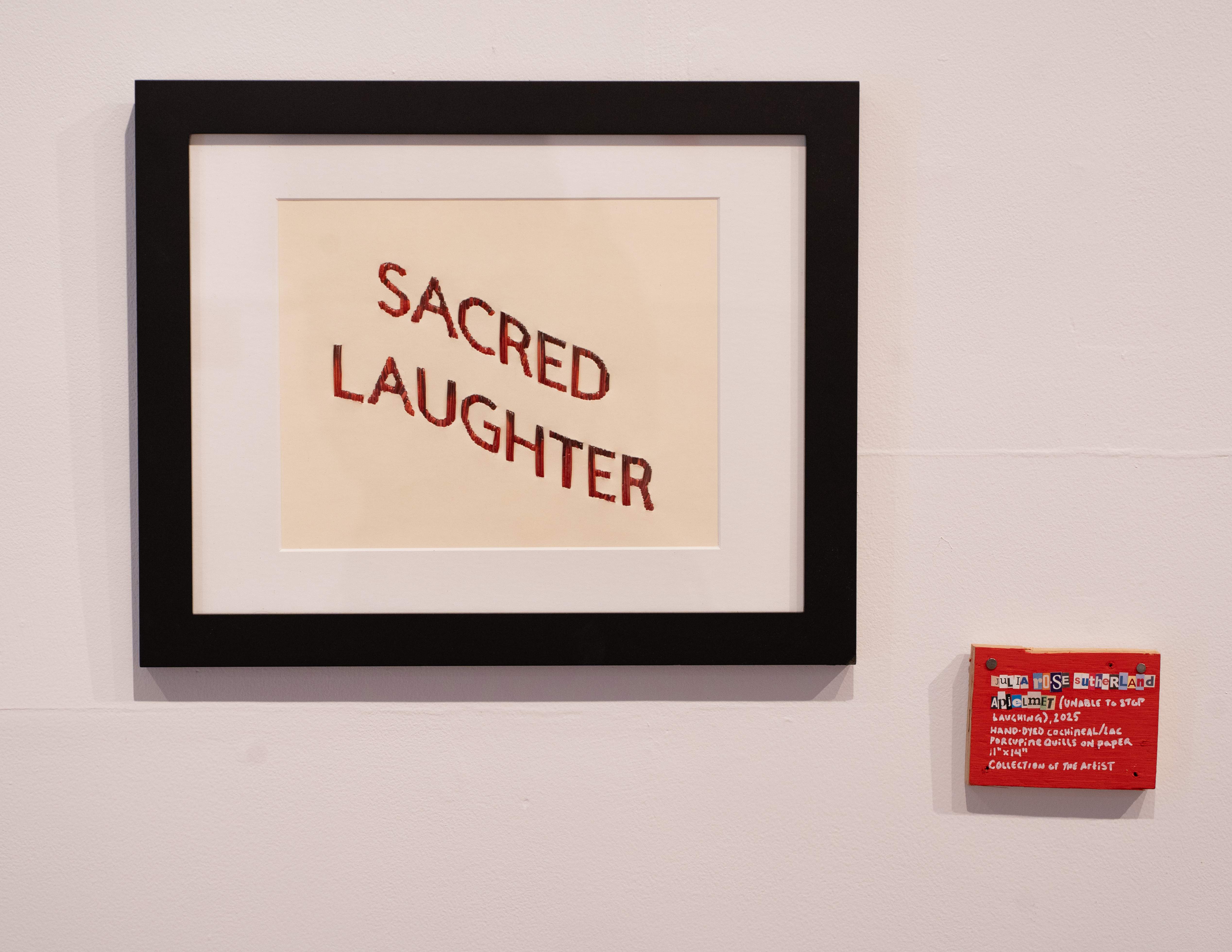
Julia Rose Sutherland Apjelmet (Unable to Stop Laughing) 2025, Hand-dyed cochineal/Lac porcupine quills on reused paper. Collection of the artist.
Photo: clem oliver
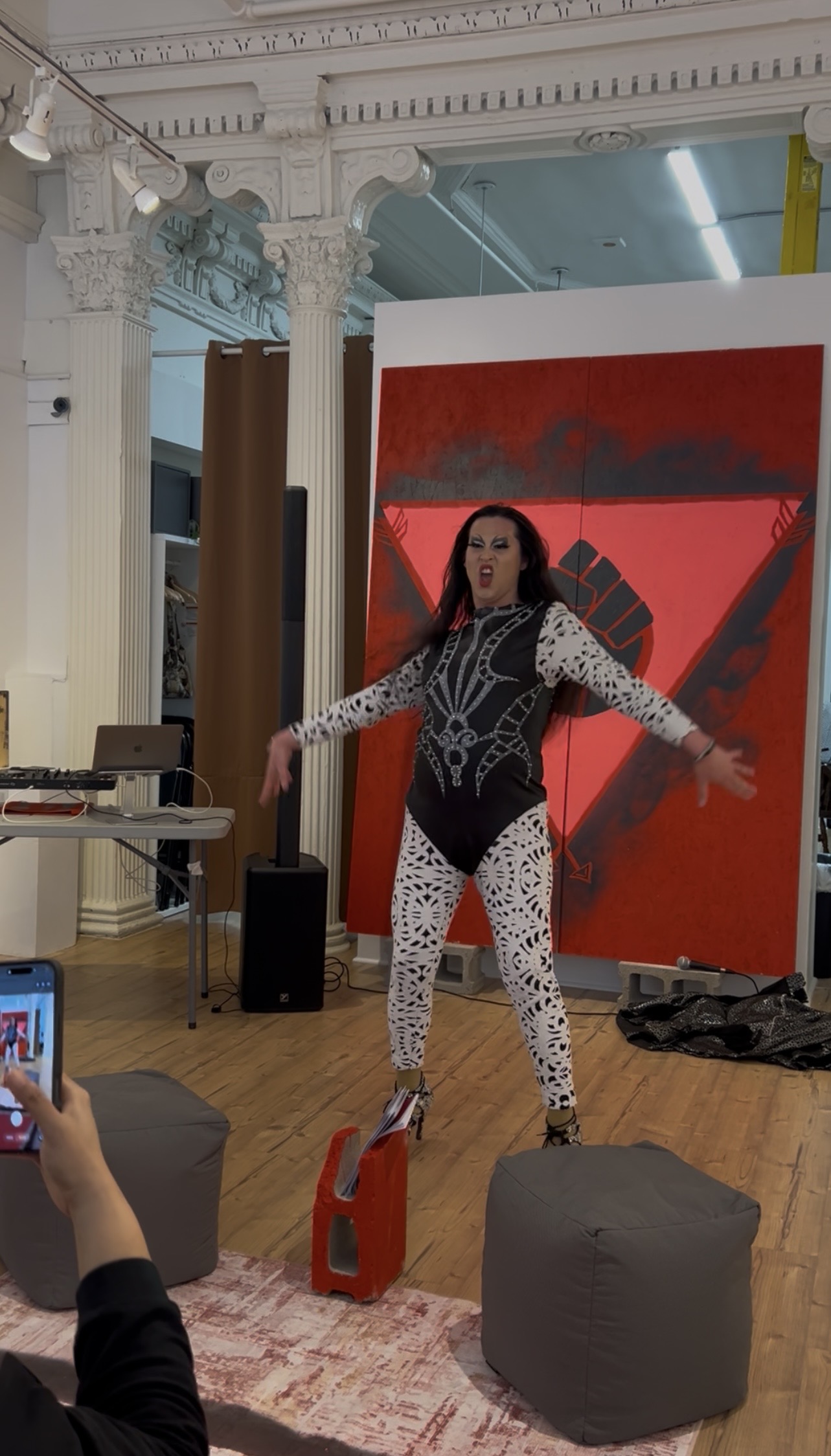
Opening reception of BLACK / RED / PINK: Black, Red, and Queer Power in the Punk Movement. Performance by Nykitene.
Photo: Alénnè Adekayode

Opening reception of BLACK / RED / PINK: Black, Red, and Queer Power in the Punk Movement. Performance by Nykitene.
Photo: Alénnè Adekayode
Dalhousie Art Gallery’s 2025–26 Curatorial Mentorship Program supported emerging Black and Indigenous practitioners through mentorship, professional development, and the realization of new curatorial projects. The initiative sought to advance cultural equity within the visual arts sector by expanding opportunities for curators from underrepresented communities and supporting the development of new curatorial voices within contemporary art in Canada. The 2025–26 cohort welcomed Nahom Assefa and Pax Romana.
Working closely with gallery staff, artists, curators, and community organizations, each curator developed an original exhibition presented at Treaty Space Gallery at NSCAD University in Halifax/Kjipuktuk. These projects explored questions of memory, material culture, resistance, identity, and belonging through contemporary curatorial practice.
In Relation: Black Material Life and Memory on Mi’kma’ki
Curated by Nahom Assefa
Treaty Space Gallery, NSCAD University, 1887 Granville Street
May 19–30, 2026
Featuring works by Edith Clayton, Clara Clayton Gough, Sylvia D. Hamilton, Kwame Owusu Brobbey, Tyshan Wright, Jan Wade, and materials by unknown makers.
In Relation examined how material culture carries histories of migration, kinship, survival, and exchange across generations and geographies. Drawing connections between African Nova Scotian, Ethiopian, and broader diasporic experiences, the exhibition considered how objects, craft traditions, and cultural practices preserve knowledge and identity. Rooted in the curator’s own relationship to Ethiopian culture and informed by African Nova Scotian histories, the exhibition brought together contemporary artworks, archival materials, traditional objects, and community loans to explore how Black material life is shaped through memory, movement, and relations to place. Through these connections, the exhibition reflected on what it means to live, create, and belong on Mi’kma’ki.
Programming included a public conversation with artist, filmmaker, writer, and scholar Sylvia D. Hamilton and Nahom Assefa, moderated by Pamela Edmonds on May 28, 2026.
BLACK / RED / PINK: Black, Red, and Queer Power in the Punk Movement
Curated by Pax Romana
Treaty Space Gallery, NSCAD University, 1887 Granville Street
June 2–13, 2026
Featuring works by Jack Clayton, Zeta Paul, Kev Plummer, and Julia Rose Sutherland.
BLACK / RED / PINK brought archival materials into dialogue with contemporary artworks to examine the influence of Black, Indigenous, and Queer resistance within punk culture. Situating punk within broader histories of anti-colonial struggle, community organizing, and cultural resistance, the exhibition considered how music, visual culture, and political movements have intersected across generations.
Bringing together artists from the northeastern coast of Turtle Island, from Lenapehoking to K’jipuktuk, the exhibition highlighted the ways Black, Indigenous, and Queer communities have shaped punk’s visual and political languages while creating spaces of solidarity, resistance, and collective expression.
The opening reception for BLACK / RED / PINK on June 1, featured a live drag performance by Nykitene with music by DJ Whorembers.
Curator Biographies
Nahom Assefa is an Ethiopian artist, designer, and emerging curator whose work explores migration, belonging, displacement, and cultural identity through visual storytelling, community engagement, and decolonial approaches to research. Drawing upon his experiences as a newcomer to Canada, his curatorial and artistic practice examines how people establish relationships to place, memory, and cultural traditions across diasporic experiences. Nahom is the founder of Cultured Creative Studio and has developed projects and exhibitions in collaboration with organizations including Nocturne Arts Festival, the Art Gallery of Nova Scotia, Pier 21, and Visual Arts Nova Scotia.
Pax Romana is a Two-Spirit Abenaki curator, archivist, and cultural worker who holds a Master of Information with certificates in archives and librarianship from Dalhousie University and a BFA in documentary filmmaking from New York University. Their research and curatorial practice explore queer and Indigenous archives, community memory, grief, care, and 2SLGBTQIA+ histories. Through archival and curatorial work, they examine how communities preserve knowledge, build kinship, and create spaces for collective memory and resistance.
The 2025–26 Curatorial Mentorship Program was funded in part by the Government of Canada through the Department of Canadian Heritage’s Multiculturalism and Anti-Racism Program. The Diverse Curatorial Toolkit: A Living Guide for Practice, Mentorship, Anti-Racism, and Institutional Accountability was developed as part of Pathways to Equity: Black and Indigenous Curatorial Mentorships and Cultural Leaderships Initiative. Drawing on the experiences of mentors, mentees, artists, and community partners, this bilingual publication offers practical strategies and reflections for museums, galleries, and cultural organizations seeking to build more equitable approaches to curatorial practice, cultural leadership, and long-term institutional change.



